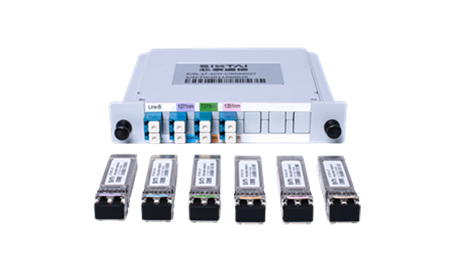
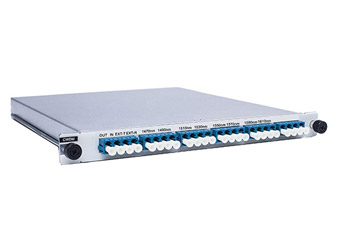
In the realm of modern networking, where data flows like a digital river and connectivity is the lifeblood of industries, the importance of CFP2 optical modules cannot be overstated. These cutting-edge modules have become integral components of network infrastructure, driving the evolution of communication technologies and enabling us to navigate the vast tech waters with unprecedented speed and efficiency. In this article, we'll dive into the significance of CFP2 optical modules in the context of network infrastructure.
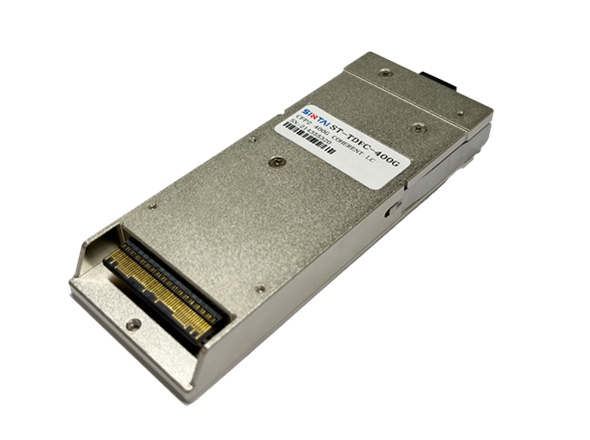
Before delving into their impact on network infrastructure, let's gain a clear understanding of CFP2 optical modules. The term "CFP2" stands for "C form-factor pluggable," denoting a specific type of optical transceiver module with a compact, hot-swappable design. These modules are engineered to transmit and receive high-speed data over optical fibers, offering impressive capabilities that cater to the growing demands of modern networking.
One of the most significant contributions of CFP2 optical modules to network infrastructure is their ability to provide high-speed connectivity. With data rates reaching up to 400Gbps, these modules are the driving force behind the lightning-fast data transmission that powers everything from online streaming and cloud services to financial transactions and critical communications.
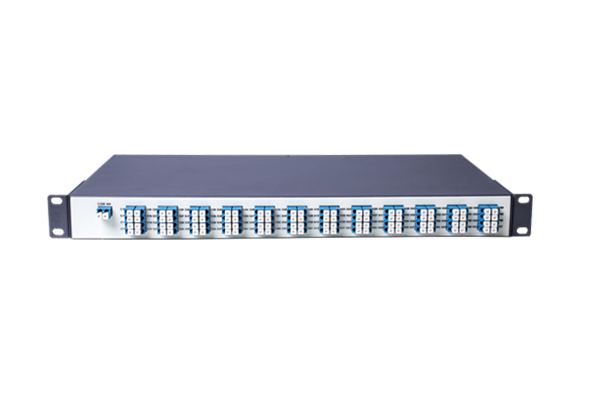
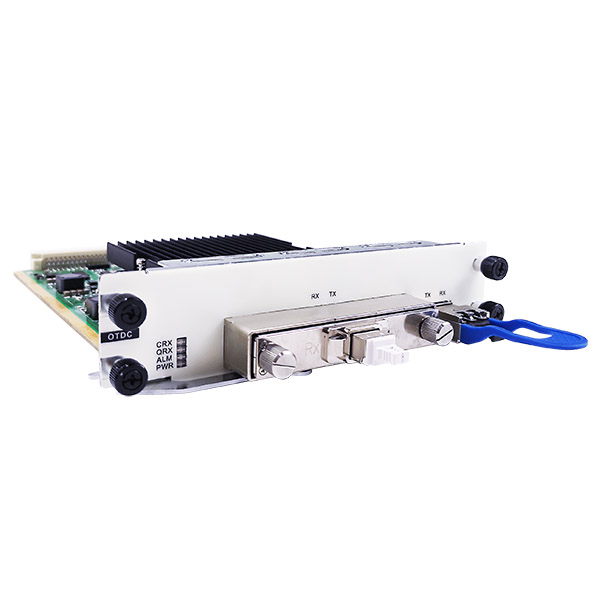
CFP2 optical modules seamlessly integrate into diverse network environments, from sprawling data centers to telecommunications networks spanning continents. Their standardized form factor ensures compatibility with a wide range of networking equipment, including switches, routers, and servers. This compatibility simplifies the deployment and expansion of network infrastructure without the need for major overhauls.
Network infrastructure is rarely static, and the demands placed on it can change rapidly. CFP2 optical modules offer the flexibility and scalability needed to adapt to evolving network requirements. As data demands increase, network administrators can upgrade their infrastructure by simply swapping out or adding CFP2 modules, eliminating the need for extensive reconfigurations.
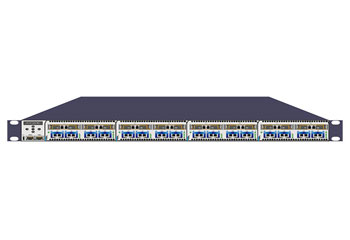
In the heart of the digital age, data centers are the nerve centers of modern enterprises. CFP2 optical modules contribute significantly to data center optimization. Their compact size allows for higher port density, maximizing the utilization of rack space. This not only boosts operational efficiency but also supports the energy-efficient design that is crucial for sustainable data center operations.
In the intricate landscape of network infrastructure, CFP2 optical modules shine as beacons of innovation. Their ability to deliver high-speed connectivity, integrate seamlessly into diverse environments, and adapt to changing demands make them indispensable components of modern networks. As we navigate the vast and ever-changing tech waters, CFP2 optical modules stand as reliable guides, steering us toward a future where connectivity knows no bounds and where data flows with unmatched speed and efficiency.



 English
  русский
  Indonesia
  Español
  português
  العربية
  français
  Deutsch
  हिंदी
हिंदी  tiếng việt